


popartlive Went Quiet. South African Dance Floors Kept the Door Open
Years after Martin Kabamba and Riccardo Amatucci left South Africa and popartlive went quiet, the Johannesburg-born electronic project is moving again — beginning with a revived “Holiday” and a catalogue that appears never to have completely left local dance floors.
More than a decade ago, Martin Kabamba and Riccardo Amatucci were making music together in a small studio behind a house in Johannesburg’s east.
The room was small.
The ambition became much larger.
As popartlive, the pair moved from late-night studio sessions into South Africa’s electronic-music circuit, with their early run carrying them onto festival stages including Oppikoppi and Rocking the Daisies. HYPE Magazine’s account of the duo’s history also places Ultra South Africa among the major events that became part of their rise.
Their contrast became part of the project.
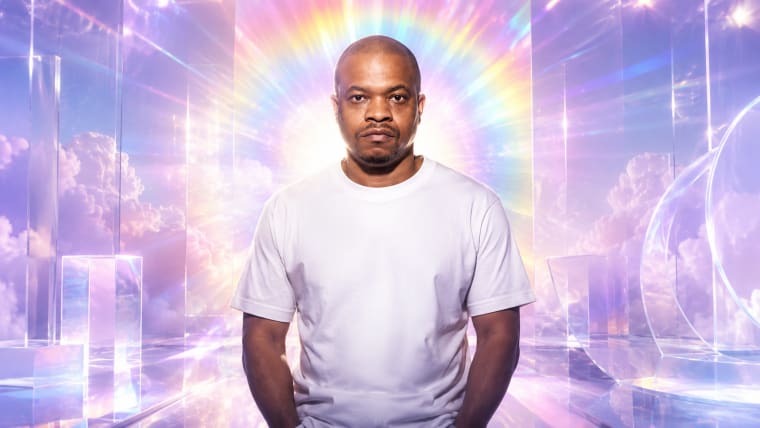
Kabamba occupied the front of the room — performer, voice and personality.
Amatucci operated more quietly behind the music, shaping the production and the world around it.
Two different instincts working towards the same dance floor.
Then life pulled them apart.
The Project Went Quiet
After years of creating and performing together, Kabamba and Amatucci began building separate lives elsewhere.
Kabamba eventually settled in London.
Amatucci moved to Amsterdam, where his relationship with house music continued through other work, including his Toochi project.
popartlive stopped operating with the same momentum.
But that does not necessarily mean the music stopped moving.
The duo’s current comeback story is built partly around what happened while they were away.
According to HYPE Magazine’s profile of their return, South African clubs and DJs continued playing popartlive records even while Kabamba and Amatucci were no longer actively working together.
That kind of afterlife is difficult to manufacture.
An artist can buy a campaign.
A label can push a single.
A social platform can create a moment.
Keeping a record alive years after the people behind it have stopped asking for attention is something else.
It means the music found a use.
A memory.
A dance floor.
“Holiday” Was Already Waiting for Them
The first chapter of popartlive’s return is deliberately familiar.
“Holiday” is not a brand-new composition designed to erase the gap between the old project and the new one.
The duo’s own current material says the track was originally released in 2014.
Apple Music lists its new release date as 24 July 2026.
That history matters.
“Holiday” predates the long silence.
It belongs to the version of popartlive that was still developing inside Johannesburg’s electronic scene.
Bringing it back now turns the record into a bridge.
On one side is a South African duo in the early stages of its life.
On the other are two people living in different European cities, returning to music after enough time has passed for both of them to become different artists and different men.
The song is the same point of connection.
The people arriving at it are not.
Coming Back Without Recreating the Past
That distinction is central to how Kabamba and Amatucci describe the reunion.
“You don’t really understand what something means to you until you’ve had to live without it,” Kabamba told HYPE Magazine.
After years apart, the pair found that talking about music together still felt natural.
But the motivation had changed.
Amatucci describes their earlier years as a period in which they were constantly trying to prove something.
The current version of popartlive is less interested in that pressure.
“We want it to be honest, uncomplicated and full of life,” he said of the new approach.
Music that can simply be turned up and lived inside.
There is something useful in that shift.
Comebacks are often marketed as restoration projects.
The old logo returns.
The old photographs appear.
The language insists that nothing has changed.
But ten years should change people.
Kabamba and Amatucci now live in different countries.
They have different professional histories.
Different responsibilities.
Different reasons for creating.
The more interesting question is not whether they can reproduce the people who made popartlive the first time.
It is what those years add to the project now.
South Africa Kept a Version of Them
That is where the local dance-floor story becomes more than nostalgia.
The duo physically left.
The catalogue did not have to follow.
South African dance culture is unusually good at this kind of memory.
Records survive because DJs remember them.
Because somebody reaches for an old favourite at exactly the right hour.
Because a club audience still recognises the first few seconds.
Because music that once belonged to a specific season becomes attached to people’s own histories instead.
popartlive’s comeback material says that kind of circulation continued during the project’s absence.
There are also visible traces of that memory around the relaunch.
Comments on the duo’s current social material point back to old festival performances and the period when popartlive occupied South African electronic stages.
The significance is not that every South African club spent a decade playing popartlive.
That would be impossible to establish.
It is that enough people remembered for the return not to feel like the resurrection of something completely forgotten.
The door was still open.
A Johannesburg Project Between London and Amsterdam
Apple Music still identifies popartlive as being from South Africa.
Geographically, the project now operates across London and Amsterdam.
That creates another interesting tension.
What does it mean for a South African electronic project to continue once the people making it no longer live in the country?
The answer does not have to involve pretending geography is irrelevant.
Johannesburg shaped the project.
Its early audiences shaped it.
The festivals and clubs around it shaped it.
But leaving can become part of the creative history too.
London enters.
Amsterdam enters.
The years apart enter.
The distance enters.
South African identity does not need to mean artistic stasis.
Sometimes the most revealing thing an artist can do with where they come from is carry it somewhere else and discover what survives the journey.
The Holiday Is Over
“Holiday” has already begun establishing a second life.
Within weeks of the relaunch, popartlive marked the track passing its first 10,000-stream milestone.
For a returning project, the number matters less as proof of scale than as proof of movement.
Something is happening again.
The duo has also been digging through roughly a decade of music and samples while preparing what comes next.
That makes “Holiday” feel less like the destination than the opening door.
A familiar record reappears.
Old listeners recognise it.
New listeners encounter a project they may never have known the first time.
And Kabamba and Amatucci get to find out whether the thing they built in that Johannesburg room still has somewhere new to go.
The duo left South Africa.
Their music, apparently, never completely did.
Now popartlive is following it back onto the dance floor.


Reporting basis: Based on popartlive’s official 2026 relaunch material, current Instagram and streaming releases, Apple Music catalogue information, archival Oppikoppi and Rocking the Daisies material, HYPE Magazine’s August 2026 comeback profile, and Viranova editorial analysis of catalogue memory, South African dance-floor culture and creative return.
Story index Key points, people & topics
Key points & topics
- After years apart in London and Amsterdam, Martin Kabamba and Riccardo Amatucci have revived the Johannesburg-born electronic project with “Holiday” — a song from their early catalogue that never entirely left South Africa behind.
- Johannesburg electronic duo popartlive return with “Holiday” after years apart, reconnecting a South African dance-floor past with London and Amsterdam.
- popartlive Went Quiet. South African Dance Floors Kept the Door Open
Frequently asked Answers from the desk
Who are popartlive?
popartlive is a South African electronic and house project formed by Martin Kabamba and Riccardo Amatucci in Johannesburg.
Where did popartlive begin?
The duo's comeback account traces the project to a small studio behind a house in Johannesburg's east.
Who are the members of popartlive?
popartlive consists of Martin Kabamba and Riccardo Amatucci.
Where are Martin Kabamba and Riccardo Amatucci based now?
Kabamba is based in London, while Amatucci is based in Amsterdam.
What is popartlive's new release?
The duo has returned with a re-release of Holiday.
When was Holiday re-released?
Apple Music lists the new Holiday single as released on 24 July 2026.
Was Holiday a completely new song?
No. popartlive's official material says Holiday was originally released in 2014 and has now been brought back as part of the project's relaunch.
Which South African festivals did popartlive play during their earlier run?
Their earlier live history includes appearances associated with festivals including Oppikoppi and Rocking the Daisies, while HYPE Magazine also lists Ultra South Africa among their major stages.
What happened to popartlive?
After years of creating and performing together, Kabamba and Amatucci pursued separate lives and careers overseas and the project became inactive.
Why did popartlive reunite?
Both members describe returning to the project after years apart with a less pressured approach focused on making honest, uncomplicated and joyful music.
Credibility & transparency How this story is reported
- Content type
- News
- Verification
- Verified — multiple sources
- Reporting basis
- Based on popartlive’s official 2026 relaunch material, current Instagram and streaming releases, Apple Music catalogue information, archival Oppikoppi and Rocking the Daisies material, HYPE Magazine’s August 2026 comeback profile, and Viranova editorial analysis of catalogue memory, South African dance-floor culture and creative return.
- Sources & context
- popartlive’s official channels confirm the project’s return and identify “Holiday” as a song originally released in 2014. Apple Music confirms its new 24 July 2026 release and identifies popartlive as a South African house act. HYPE Magazine’s comeback profile documents Martin Kabamba and Riccardo Amatucci’s Johannesburg origins, later moves to London and Amsterdam, earlier festival circuit and the duo’s account of their music continuing to circulate on South African dance floors while the project was inactive.
- Image
- popartlive
- Primary source
- instagram.com
Edited under our Editorial Standards and How We Report process. Spotted an error? Request a correction or email corrections@viranova.co.za.
Human-written · Editor-reviewed · Corrections open
Filed by Viranova Music Desk for the Music desk · Johannesburg, South Africa / London, United Kingdom / Amsterdam, Netherlands. Published 19 Aug 2026.
Sources
Secondary material
Reported first by another publication or organisation, and credited here.
- popartlive says Holiday was originally released in 2014 and has now returned as part of the duo's relaunch popartlive accessed 19 August 2026
- Apple Music lists Holiday as popartlive's latest release, dated 24 July 2026, and identifies the duo as a South African house act Apple Music accessed 19 August 2026
- Martin Kabamba and Riccardo Amatucci formed popartlive in Johannesburg and later became based in London and Amsterdam respectively HYPE Magazine accessed 19 August 2026
- HYPE Magazine reports that popartlive's music continued circulating through South African clubs and DJs while the duo was inactive HYPE Magazine accessed 19 August 2026
- Oppikoppi publicly promoted popartlive as part of its festival programme during the duo's earlier South African run Oppikoppi Festival accessed 19 August 2026
- Rocking the Daisies archival material places popartlive on the festival's electronic programme Rocking the Daisies accessed 19 August 2026
- Riccardo Amatucci later continued working in house music under the Toochi name after his time in popartlive Resident Advisor accessed 19 August 2026
Respond to this story Reactions, comments, corrections
Respond to this story. Share a comment, a correction, or a right-of-reply — comments open once the room starts talking.