

In South African food culture, “seven colours” refers to a Sunday meal built from several differently coloured dishes—typically some combination of rice, meat, gravy, beetroot, pumpkin, cabbage, beans, potatoes or salads. Its meaning lies not in one fixed recipe but in abundance: separate elements occupying one plate and becoming a complete meal.
This story matters because “7 Colours” shows how South African hip-hop can use local cultural memory without becoming heavy-handed. The track brings together three clearly different rap identities and allows the collaboration to work through contrast rather than uniformity.
That makes “7 Colours” an effective title for a collaboration between three rappers with clearly differentiated identities.
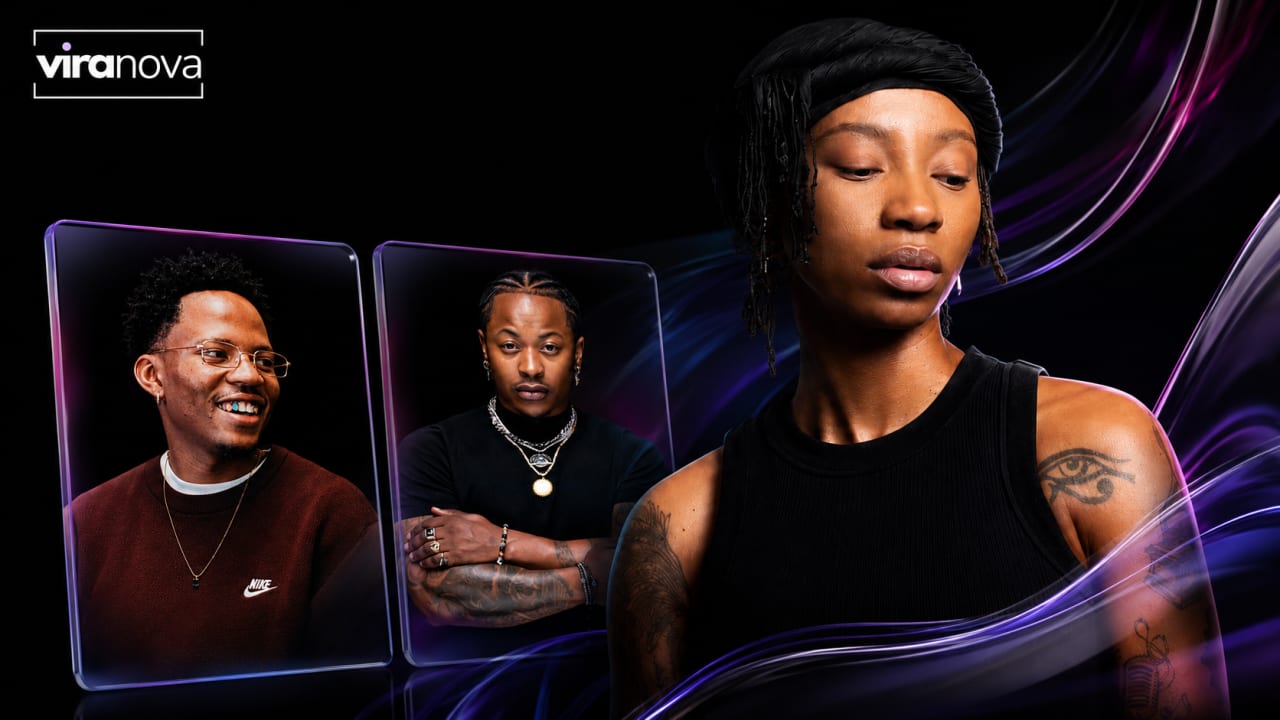
ZuluMecca released the single on 17 July 2026 featuring Priddy Ugly and Loatinover Pounds. It followed her earlier 2026 release “CAP.”
The collaboration is new in one direction and familiar in another. “7 Colours” is ZuluMecca’s first official release with Loatinover Pounds. She and Priddy Ugly previously appeared together on “Soul Food” from Priddy Ugly’s 2024 album DUST, where Marcus Harvey also featured.
Those facts provide a stronger basis for the culinary metaphor than unsupported declarations about what every verse supposedly means.
ZuluMecca, Priddy Ugly and Loatinover Pounds occupy different positions inside South African hip-hop. ZuluMecca’s work is often associated with introspection, spirituality and densely constructed writing. Priddy Ugly has built a long-standing reputation around technical lyricism and conceptual album-making. Loatinover Pounds represents a newer Pitori-centred current whose regional language and relaxed delivery have become central to his identity.
On “7 Colours,” their difference is the point. The record does not require all three performers to flatten their styles into one uniform cadence. Like the meal from which it takes its title, the collaboration gains character from allowing separate textures to remain identifiable.
Descriptions such as “surgical cadence,” “seasoned wordplay” or “laid-back swagger” are critical judgments rather than externally provable facts. They can remain in a review when clearly presented as the writer’s response to the performance, not as objective measurements.
What should be avoided is claiming that the song is definitively about “identity and resilience” without quoting or closely analysing the relevant lyrics. The currently available release reporting confirms the performers and collaboration history but does not publish an authorised lyrical explanation of the record.
The strongest argument is musical and structural.
ZuluMecca gives the collaboration its conceptual frame. Priddy Ugly adds the familiarity of an existing creative relationship, while Loatinover Pounds changes the regional and rhythmic balance of the pairing. The result is less interesting as a contest over who delivered the best verse than as a meeting between distinct approaches to South African rap.
That is why the food metaphor works. A proper seven-colours plate is not impressive because every item tastes the same. It succeeds because difference has been arranged with intention.
“7 Colours” makes a similar case for lyricism. Technical rap does not have to feel sterile, isolated or designed only for listeners interested in counting internal rhymes. It can carry regional language, cultural memory, personality and pleasure at the same time.
The song does not prove that lyricism has defeated the club record, nor does it need to. It simply demonstrates that three strong pens can still create an event by sharing one table.
Reporting basis: Based on SlikourOnLife and SA Hip Hop Mag reporting on ZuluMecca’s “7 Colours,” Amazon Music/DSP listing context, Apple Music/Spotify artist and catalogue information, public reporting on “CAP,” “Soul Food” and DUST, South African food-culture references around seven-colours Sunday meals, and Viranova editorial analysis of lyricism, collaboration and cultural metaphor.
Story index Key points, people & topics
Key points & topics
- ZuluMecca’s “7 Colours” brings Priddy Ugly and Loatinover Pounds to the same table, turning a familiar South African food metaphor into a sharp collaboration between three distinct rap identities.
- ZuluMecca’s “7 Colours” uses a familiar South African Sunday-meal metaphor to frame a collaboration where three distinct rap identities occupy one plate without losing their separate flavours.
- In South African food culture, “seven colours” refers to a Sunday meal built from several differently coloured dishes—typically some combination of rice, meat, gravy, beetroot, pumpkin, cabbage, beans, potatoes or salads. Its...
Frequently asked Answers from the desk
What is ZuluMecca’s “7 Colours”?
“7 Colours” is a 2026 single by ZuluMecca featuring Priddy Ugly and Loatinover Pounds.
When was “7 Colours” released?
“7 Colours” was released on 17 July 2026.
Who features on “7 Colours”?
The song features Priddy Ugly and Loatinover Pounds.
Is “7 Colours” ZuluMecca’s first song with Loatinover Pounds?
Public reporting identifies it as ZuluMecca’s first official recorded collaboration with Loatinover Pounds.
Have ZuluMecca and Priddy Ugly worked together before?
Yes. They previously worked together on “Soul Food” from Priddy Ugly’s 2024 album DUST, which also featured Marcus Harvey.
What does “seven colours” mean in South African food culture?
It refers to a Sunday meal made up of several colourful dishes, often including rice, meat, gravy and sides such as beetroot, pumpkin, cabbage, beans, potatoes or salads.
Why does the “7 Colours” title work for this collaboration?
It works because the song brings together three different rap identities, much like a seven-colours plate brings separate flavours together into one meal.
What makes “7 Colours” significant for South African hip-hop?
It shows that lyricism can still feel communal, culturally rooted and pleasurable when different styles are arranged with intention.
How we reported this Sources, verification & accountability
- Reporting type
- News
- Verification
- Verified — multiple sources
- Reporter / responsible desk
- Viranova Music Desk
- Primary evidence
- Based on SlikourOnLife and SA Hip Hop Mag reporting on ZuluMecca’s “7 Colours,” Amazon Music/DSP listing context, Apple Music/Spotify artist and catalogue information, public reporting on “CAP,” “Soul Food” and DUST, South African food-culture references around seven-colours Sunday meals, and Viranova editorial analysis of lyricism, collaboration and cultural metaphor.
- Additional verification
- This story is based on SlikourOnLife, SA Hip Hop Mag, Amazon Music, Apple Music, Spotify, Woolworths TASTE, Mail & Guardian food-culture context, HYPE Magazine, Music In Africa and Viranova analysis of South African hip-hop collaboration.
- Primary source
- slikouronlife.co.za
Edited under our Editorial Standards and How We Report process. Spotted an error? Open the correction form below, or email [email protected].
Request a correction Accuracy desk
Submit a Correction
Corrections are reviewed by editors and logged with the story record.
Human-written · Editor-reviewed · Corrections open
Filed by Viranova Music Desk for the Music desk · South Africa. Published 20 Jul 2026.
Leave with the sharp version of what moved.
Two considered South African culture reads a week. No feed to chase, no noise between them.

Join the conversation React or leave a thoughtful comment
How did this story land?