

Noise, Signal, and the Grid: Tyla’s Masterful Control of the Digital Echo
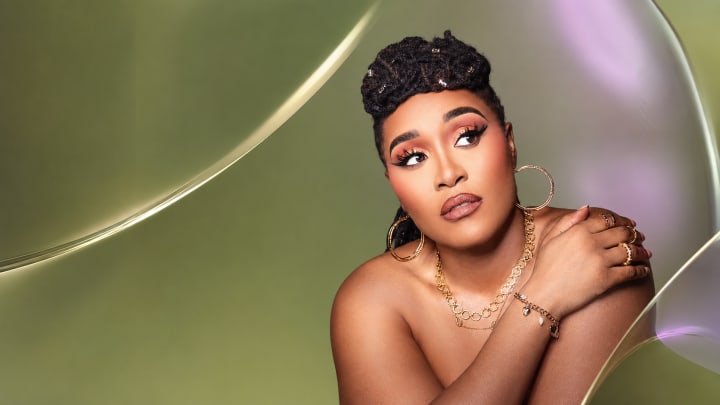
Tyla’s Roc Nation rumour response was more than a denial. In one Instagram Story, she corrected the lie, refused to feed the noise and turned the attention back to A*POP.

south african pop sits in the topic layer of Viranova's knowledge graph — the timeline below tracks every story, interview, and event connected to it.
7 related stories, 0 related events, and 12 connected entities.
Publicists, labels, brands, artists, event teams, and partners can submit official updates, coverage requests, or campaign briefs.
Tyla’s Roc Nation rumour response was more than a denial. In one Instagram Story, she corrected the lie, refused to feed the noise and turned the attention back to A*POP.

Tyla’s “Is It Love” shifts the emotional centre of the A*POP campaign, showing that her global pop era is not only about movement, fashion and scale. It is also about vulnerability.
Naledi Aphiwe’s “Bayazibuza” feels like a young artist turning the noise around her into something more focused, confident and durable.
Lady Zamar’s “First Class” refuses to make heartbreak heavy. Instead, it turns regret into movement, romance and the kind of lightness South African pop still needs.
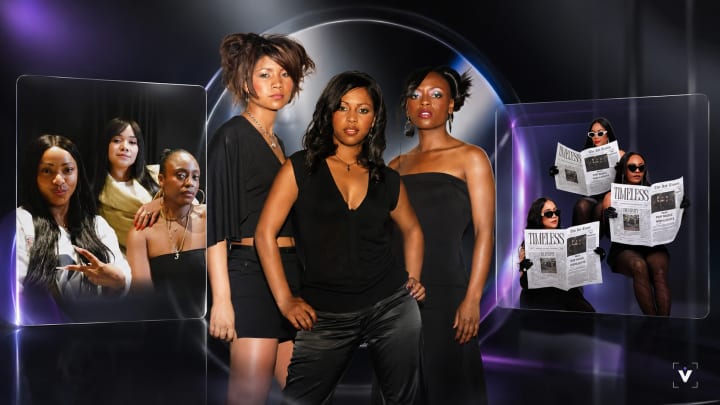
Jamali’s Full Circle moment is not just about nostalgia. It is about three distinct voices returning with history, sisterhood and the kind of vocal chemistry South African pop does not produce often enough anymore.
Dey Say’s “Better Off Without You” turns heartbreak into confidence, positioning the Johannesburg five-piece as part of a new African pop conversation with global ambition.
Liesl Penniken’s “This Is Who I Am” shows how a solo identity can grow beside Jamali’s return, rather than being framed as an escape from the group’s legacy.