

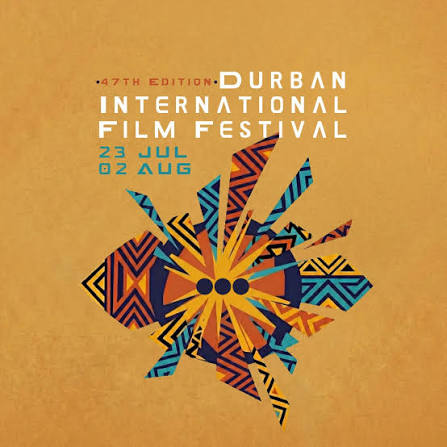
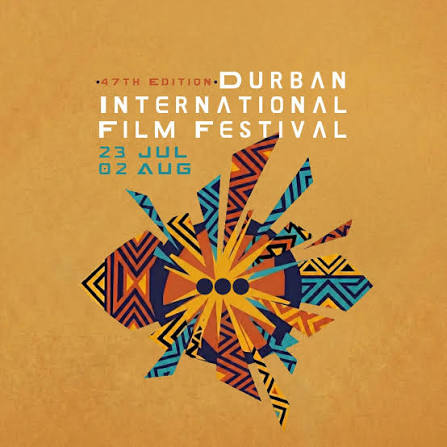
Red carpets are useful for visibility, but they do not develop a script, train a producer or teach a filmmaker how to pitch a project in a room where money and distribution are being discussed. The 47th Durban International Film Festival opened on 23 July 2026 and runs until 2 August. Its public identity is built around screenings, premieres and awards, but some of the edition’s most consequential work is taking place in workshops, residencies and industry sessions away from the cinema auditorium.
This story matters because film festivals often receive attention for premieres, red carpets and awards, while the development work behind the screen remains less visible. DIFF’s 2026 industry programme focuses on the pipeline: scripts, pitches, professional access and festival leadership.
DIFF’s official 2026 industry programme is organised around three main interventions: the Isiphethu Industry Programme, an isiZulu Scriptwriting Workshop and a Film Festival Residency. They address different points in the screen ecosystem. One concentrates on emerging filmmakers and professional access, another on the development of isiZulu-language short-film scripts, and the third on the people who curate and operate South African film festivals.
Isiphethu runs at the Belaire Suites Hotel from 27 to 31 July. Its programme includes masterclasses, workshops and “Industry Meets” sessions involving organisations, funders, sponsors and independent filmmakers. The 2026 focus includes pitching and artificial intelligence. Sessions cover written and verbal pitches, alongside engagements with bodies such as the Durban Film Office and the National Film and Video Foundation. The useful part is not that everyone in the room will leave with a financed project; there is no evidence for that. It is that participants are being taught how industry language, presentation and institutional access shape what happens to an idea after the first draft.
The isiZulu Scriptwriting Workshop goes deeper into the page itself. Five emerging scriptwriters with short-film projects were selected for a three-week hybrid programme led by script consultant and educator Zunaid Mansoor. The workshop began online and moves into an in-person phase in Durban from 27 to 31 July. Its requirements are specific: the film’s dialogue must be in isiZulu and the screenplay must include English subtitles. That structure treats indigenous-language storytelling not as a decorative festival theme, but as professional screenwriting work that must meet development, formatting and production standards.
The Film Festival Residency addresses another less visible weakness in the pipeline. Eight South African festival directors or senior festival practitioners are spending seven days in Durban engaging around strategic planning and curation. DIFF provides accommodation, transfers, a stipend and accreditation to both the festival and the Durban FilmMart. Strengthening festivals matters because filmmakers do not only need films to be made; they need reliable institutions that can programme, contextualise, circulate and build audiences for those films.
DIFF has operated since 1979 and describes itself as Southern Africa’s oldest and largest film event. It is also an Academy Award-qualifying festival in selected categories. Those credentials give the festival symbolic authority, but the 2026 industry programme asks a more practical question: what does a major festival do with its influence between premieres? The answer, at least in part, is to create structured points of entry for writers, filmmakers and festival leaders who may otherwise remain outside professional networks.
None of these programmes can repair the entire South African film economy. Workshops cannot substitute for sustained public funding, broadcasters cannot be replaced by networking sessions and a strong pitch does not guarantee distribution. The danger with development language is that institutions can celebrate training while leaving the deeper financing bottlenecks untouched.
Even with that limitation, DIFF’s approach is more useful than treating a festival as a showroom for finished products. The screenings reveal what has already survived the journey to the screen. The industry programme concentrates on what might survive next. In 2026, DIFF is not only asking audiences to watch South African and global cinema. It is spending part of its institutional weight on the people and structures required to keep producing it.
Reporting basis: Based on the official Durban International Film Festival 2026 website, DIFF’s Isiphethu Industry Programme information, DIFF’s isiZulu Scriptwriting Workshop page, DIFF’s Film Festival Residency page, DIFF institutional information on its history and Academy Award-qualifying status, and Viranova editorial analysis of South African film-industry development.
Story index Key points, people & topics
Key points & topics
- The 47th Durban International Film Festival is showing films, but some of its most important 2026 work is happening behind the screen — in workshops, residencies and industry sessions built around the people who make cinema...
- DIFF 2026 is not only presenting finished films. Through Isiphethu, an isiZulu Scriptwriting Workshop and a Film Festival Residency, it is investing in the writers, filmmakers and festival leaders needed to keep South African...
- Red carpets are useful for visibility, but they do not develop a script, train a producer or teach a filmmaker how to pitch a project in a room where money and distribution are being discussed. The 47th Durban International...
Frequently asked Answers from the desk
When is the 47th Durban International Film Festival?
The 47th Durban International Film Festival runs from 23 July to 2 August 2026.
What is DIFF’s 2026 industry programme?
DIFF’s 2026 industry programme includes the Isiphethu Industry Programme, an isiZulu Scriptwriting Workshop and a Film Festival Residency.
What is the Isiphethu Industry Programme?
Isiphethu is DIFF’s industry component for emerging filmmakers, offering workshops, masterclasses, pitching sessions and engagements with industry bodies, funders, sponsors and independent filmmakers.
When does Isiphethu run in 2026?
The detailed Isiphethu programme runs from 27 to 31 July 2026 at the Belaire Suites Hotel in Durban.
What are Isiphethu’s 2026 focus topics?
The 2026 focus topics are pitching and artificial intelligence.
What is the isiZulu Scriptwriting Workshop?
It is a three-week hybrid programme for five emerging scriptwriters with short-film projects using isiZulu dialogue and English subtitles.
Who leads the isiZulu Scriptwriting Workshop?
The workshop is led by script consultant and educator Zunaid Mansoor.
What is the Film Festival Residency?
The Film Festival Residency brings together eight South African festival directors or senior festival practitioners for seven days of strategic planning, curation and network-building.
Why does DIFF’s industry programme matter?
It matters because it supports the people and structures behind finished films, including writers, emerging filmmakers, pitch development and festival leadership.
How we reported this Sources, verification & accountability
- Reporting type
- News
- Verification
- Verified — multiple sources
- Reporter / responsible desk
- Viranova Events Desk
- Primary evidence
- Based on the official Durban International Film Festival 2026 website, DIFF’s Isiphethu Industry Programme information, DIFF’s isiZulu Scriptwriting Workshop page, DIFF’s Film Festival Residency page, DIFF institutional information on its history and Academy Award-qualifying status, and Viranova editorial analysis of South African film-industry development.
- Additional verification
- This story is based on DIFF’s official website, Centre for Creative Arts/UKZN festival information, Isiphethu Industry Programme details, isiZulu Scriptwriting Workshop information, Film Festival Residency information, Durban FilmMart Institute context and Viranova analysis of the development pipeline behind South African cinema.
- Primary source
- ccadiff.ukzn.ac.za
Edited under our Editorial Standards and How We Report process. Spotted an error? Open the correction form below, or email [email protected].
Request a correction Accuracy desk
Submit a Correction
Corrections are reviewed by editors and logged with the story record.
Human-written · Editor-reviewed · Corrections open
Filed by Viranova Events Desk for the Culture desk · Durban, South Africa. Published 25 Jul 2026.
Culture worth
opening.
Two sharp culture reads a week — no algorithm in between.
Join the conversation React or leave a thoughtful comment
How did this story land?