

The South African music industry does not only need more talent.
It needs more informed talent.
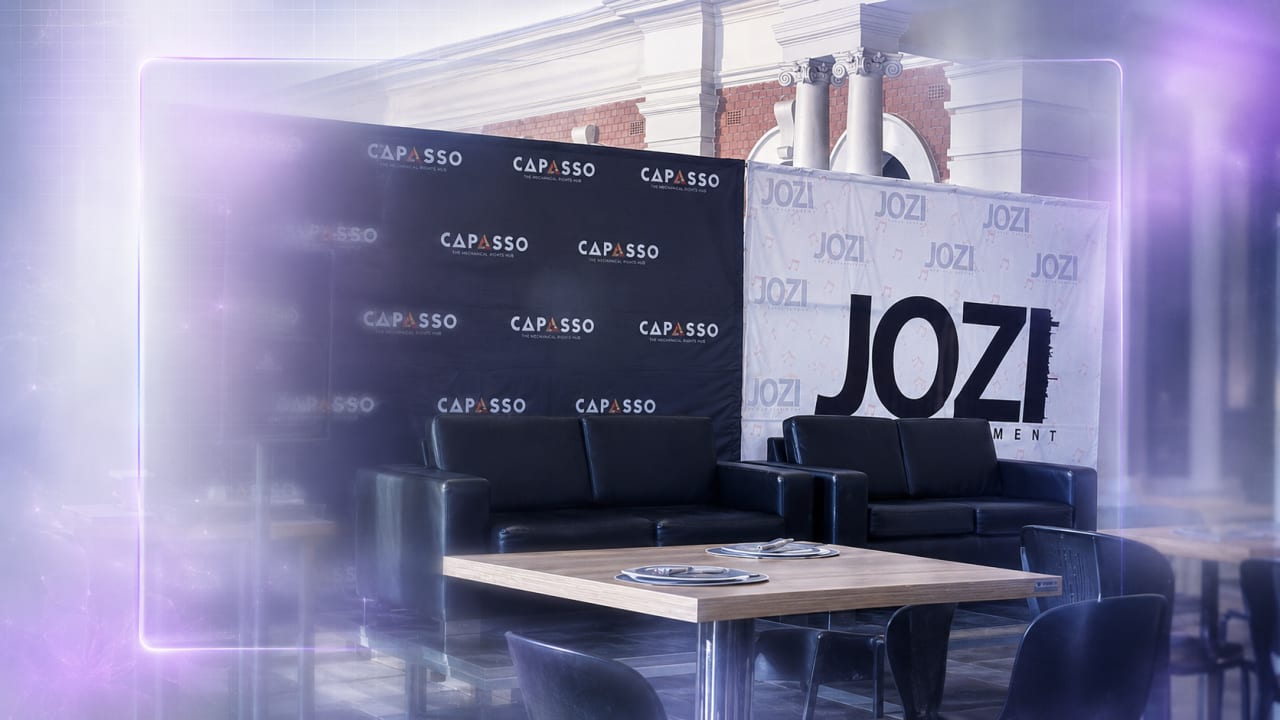
That was the heartbeat of The Ekurhuleni Music Workshop 2026, a creator-focused industry workshop hosted by Jozi Entertainment, powered by CAPASSO, in partnership with the City of Ekurhuleni and the Gauteng Department of Sport, Arts, Culture and Recreation.
Built around the theme “Create. Protect. Release. Promote. Sustain.”, the workshop gathered emerging artists, producers, songwriters, DJs, independent music entrepreneurs and local creatives from Ekurhuleni for a day of direct industry education.
Instead of treating music as only performance, the programme framed it as a full career ecosystem: rights, royalties, legal protection, distribution, radio, television, branding, public relations and long-term sustainability.
That distinction matters.
Too many young artists enter the industry with talent but without infrastructure. They know how to make songs, perform, promote themselves online and chase visibility, but they are often left to figure out ownership, metadata, publishing, performance royalties, contracts and media strategy only after something has already gone wrong.
The Ekurhuleni Music Workshop tried to move that knowledge closer to the beginning.
The panel programme was led by Sakhele Mzalazala, with speakers drawn from different corners of the South African music business. The result was not just another motivational industry session. It was a practical room where creators were encouraged to understand the machinery behind the music they make.
The first panel focused on intellectual property and collective management organisations, unpacking why protecting music is not an afterthought but a foundation. With voices including Bongani Mdakane of Mdakane Attorneys, Njabulo Mngomezulu from CAPASSO and Linda Gamede from SAMPRA, the discussion helped attendees understand how rights, royalties and legal obligations shape the income and ownership side of a music career.
That is where sustainability begins.
A song is not only a sound recording.
It is a work with rights attached to it.
It is publishing.
It is performance income.
It is mechanical rights.
It is ownership documentation.
It is a set of decisions that can either protect a creator’s future or leave them watching other people benefit from their work.
From there, the workshop moved into visibility.
The second panel, “Get Your Music Heard: Radio, Television & Music Discovery,” brought together media and broadcast-facing perspectives from names including Jombana Lamula from Radio 2000, Ntokozo Botjie from B Pulse, Neville Ngobeni from TRACE and Gerald from YFM.
The conversation highlighted that discovery still matters, but it now requires strategy. Artists cannot only upload a song and hope the room finds it. They need to understand where their music fits, how audiences discover it, how media platforms think, and how to present a release beyond the file itself.
That lesson is especially important now.
The streaming era has made access easier, but it has not made attention simpler. A song can be available everywhere and still reach almost no one if the rollout has no story, no audience strategy and no clear understanding of the platforms meant to carry it.
The third panel turned to digital distribution, one of the most important bridges between studio work and global reach. With speakers including Slikour from SlikourOnLife Distribution, Gugu from EMPIRE and Bash from Sony Music, the session explored how music moves from local creation into digital platforms, and why independent artists need to understand release planning, metadata, platform access and distribution choices.
This is where many emerging artists get caught.
They treat distribution as the final button before release day, when it should be part of the strategy from the beginning. The title, credits, featured artists, splits, release date, artwork, platform links, pre-save strategy and post-release push all shape how a song travels.
A release is not just an upload.
It is a system.
The final panel focused on marketing and public relations, placing attention on the part of the industry many emerging artists often meet too late: brand building. With voices including Tshepo from Music Nation and Qhama, an entertainment journalist, the discussion reminded artists that music careers are not built on sound alone.
They are built on story.
Consistency.
Visibility.
Media relationships.
Audience memory.
And the public’s ability to understand the artist behind the work.
Across the day, the workshop worked as a bridge between ambition and structure. It created space for local creatives to ask questions, absorb industry knowledge and see the music business as something they can participate in with more confidence.
The presence of attendees from different roles in the music space also made the room feel wider than one genre, one career path or one type of artist.
That is important because the next generation of South African music creators will not all follow the same route.
Some will be performers.
Some will be writers.
Some will be producers.
Some will be DJs.
Some will run labels, studios, campaigns, distribution networks, media desks or creative businesses that support the ecosystem around the music.
For Viranova, being present at the Ekurhuleni Music Workshop was also a reminder of what culture coverage should do.
It should not only document the finished product — the hit song, the stage, the red carpet, the viral moment.
It should also pay attention to the rooms where creators are learning how to own their work, release it properly, promote it with intention and sustain themselves beyond the hype.
The Ekurhuleni Music Workshop 2026 mattered because it treated music as both art and infrastructure.
And for the next generation of South African music creators, that distinction could make all the difference.
Story index Key points, people & topics
Key points & topics
- Hosted by Jozi Entertainment, powered by CAPASSO, and supported by the City of Ekurhuleni and the Gauteng Department of Sport, Arts, Culture and Recreation, the workshop gave emerging artists, producers, DJs, songwriters and...
- The Ekurhuleni Music Workshop 2026 treated music as more than performance. It placed rights, royalties, distribution, media visibility, marketing and sustainability directly in the hands of emerging creators.
- The Ekurhuleni Music Workshop 2026, hosted by Jozi Entertainment and powered by CAPASSO, gave emerging creators practical music-business education on rights, royalties, distribution, media and sustainability.
Credibility & transparency How this story is reported
- Content type
- Feature
- Verification
- Attended by Viranova
Edited under our Editorial Standards and How We Report process. Spotted an error? Open the correction form below, or email corrections@viranova.co.za.
Request a correction Accuracy desk
Submit a Correction
Corrections are reviewed by editors and logged with the story record.
Human-written · Editor-reviewed · Corrections open
Filed by Viranova Music Desk for the Music desk · Germiston, Ekurhuleni, South Africa. Published 04 Jul 2026.
Respond to this story Reactions, comments, corrections
Respond to this story. Share a comment, a correction, or a right-of-reply — comments open once the room starts talking.