

Some songs carry enough history that reinterpreting them becomes an act of negotiation.
This story matters because “The Crossing” is not ordinary catalogue material. It carries personal grief, South African transition, ancestry and public memory. Reinterpreting it through house music shows how heritage songs can be renewed without being treated as static museum pieces.
Johnny Clegg wrote “The Crossing (Osiyeza)” for Dudu Mntowaziwayo Ndlovu, popularly known as Dudu Zulu, his dancer, percussionist and Savuka collaborator. Ndlovu was killed in 1992 amid political and taxi-related violence in KwaZulu-Natal. The song appeared on Johnny Clegg and Savuka’s 1993 album Heat, Dust & Dreams.
The original draft called Ndlovu’s death an assassination and described him as Clegg’s “closest friend.” Clegg and others clearly described him as a friend and important collaborator, but the available evidence does not establish the more specific “closest friend” wording. “Killed” is also more defensible than “assassinated” because accounts differ on the exact circumstances and intended target.
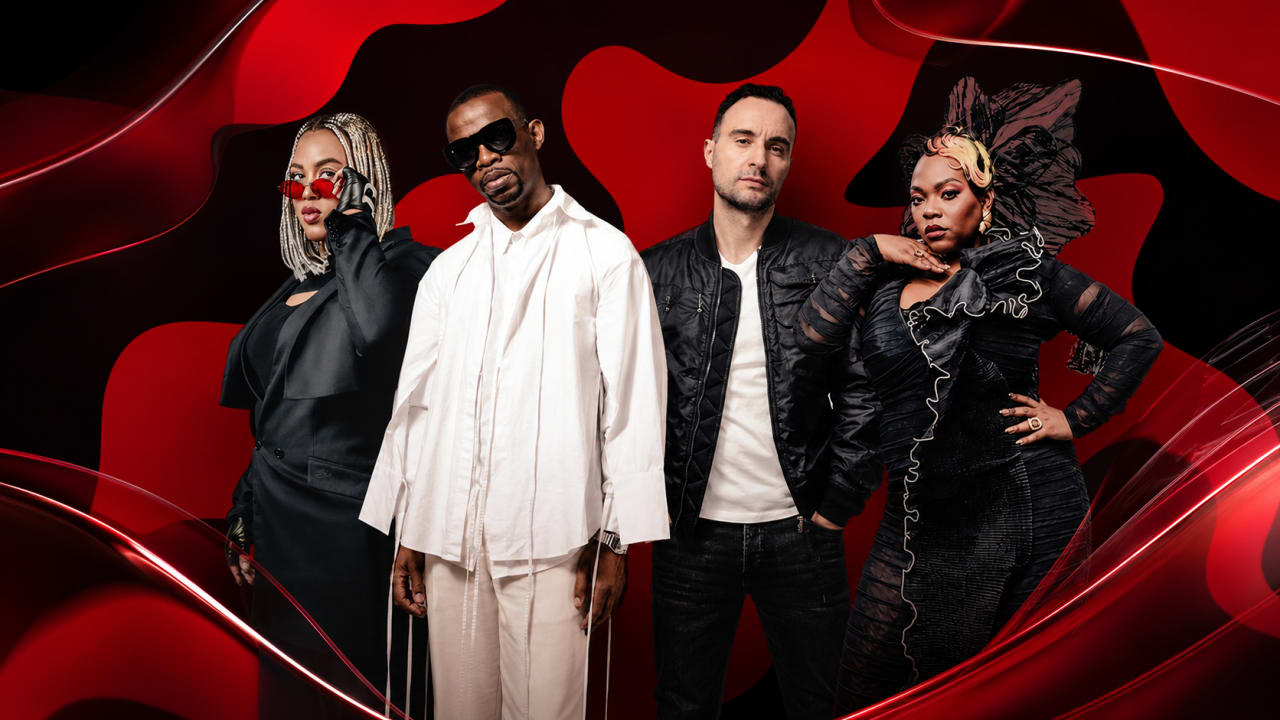
On 10 July 2026, Zakes Bantwini, Jesse Clegg and Msaki released a house reinterpretation of “The Crossing,” featuring Skye Wanda and the late Johnny Clegg. The two-track release contains an extended version and a 3:58 radio edit, with a combined duration of approximately 12 minutes.
That official credit line is important. The record should not be described simply as “Zakes Bantwini featuring Jesse Clegg, Msaki and Skye Wanda.” Jesse Clegg and Msaki are named primary artists alongside Bantwini, while Skye Wanda and Johnny Clegg receive featured billing.
The reinterpretation works by moving the song into a house framework without treating the original composition as untouchable heritage. Repetition, electronic rhythm and extended duration create a different type of communal experience around material originally shaped by bereavement.
Jesse Clegg’s participation creates an unavoidable intergenerational link, but it would be inaccurate to state as fact that he “steps into his father’s shoes on the bridge” without confirmed vocal or structural credits identifying that exact section.
The late Johnny Clegg’s featured credit gives the release another layer of continuity. Rather than separating the original artist from the adaptation, the new version formally places him inside its credited architecture.
South African house music has often carried emotional, spiritual and communal language onto the dance floor. That makes the format suited to “The Crossing,” a song concerned with grief, passage and the uncertain distance between those who remain and those who have left.
Bantwini has not replaced the original. He has created another environment in which it can be encountered.
Reporting basis: Based on Apple Music release information for Zakes Bantwini, Jesse Clegg and Msaki’s “The Crossing (Osiyeza),” Spotify catalogue context for Johnny Clegg and Savuka’s Heat, Dust & Dreams, public reporting on Dudu Zulu/Ndlovu’s death, and Viranova editorial analysis of heritage reinterpretation in South African house music.
Story index Key points, people & topics
Key points & topics
- Zakes Bantwini, Jesse Clegg and Msaki’s 2026 house reinterpretation of “The Crossing (Osiyeza)” brings Johnny Clegg’s grief-marked South African classic into a new communal dance-floor environment without severing it from its...
- Some songs carry enough history that reinterpreting them becomes an act of negotiation.
Frequently asked Answers from the desk
When was Zakes Bantwini’s version of “The Crossing” released?
The house reinterpretation of “The Crossing (Osiyeza)” was released on 10 July 2026.
Who is credited on the 2026 version of “The Crossing”?
The release is credited to Zakes Bantwini, Jesse Clegg and Msaki, featuring Skye Wanda and Johnny Clegg.
What album was Johnny Clegg’s original “The Crossing” on?
The original “The Crossing (Osiyeza)” appeared on Johnny Clegg and Savuka’s 1993 album Heat, Dust & Dreams.
Who was Dudu Zulu?
Dudu Zulu, born Dudu Mntowaziwayo Ndlovu, was Johnny Clegg’s dancer, percussionist and Savuka collaborator.
Why does the new “The Crossing” matter?
It matters because it reinterprets a grief-marked South African classic through house music, creating a new communal environment for an important heritage song.
Credibility & transparency How this story is reported
- Content type
- News
- Verification
- Verified — multiple sources
- Reporting basis
- Based on Apple Music release information for Zakes Bantwini, Jesse Clegg and Msaki’s “The Crossing (Osiyeza),” Spotify catalogue context for Johnny Clegg and Savuka’s Heat, Dust & Dreams, public reporting on Dudu Zulu/Ndlovu’s death, and Viranova editorial analysis of heritage reinterpretation in South African house music.
- Sources & context
- This story is based on Apple Music, Spotify, ZAM Magazine, Los Angeles Times archival reporting, public Johnny Clegg/Savuka catalogue context and Viranova analysis of how “The Crossing” moves from its original grief-centred setting into a modern house framework.
- Primary source
- music.apple.com
Edited under our Editorial Standards and How We Report process. Spotted an error? Open the correction form below, or email corrections@viranova.co.za.
Request a correction Accuracy desk
Submit a Correction
Corrections are reviewed by editors and logged with the story record.
Human-written · Editor-reviewed · Corrections open
Filed by Viranova Music Desk for the Music desk · South Africa. Published 13 Jul 2026.
Leave with the sharp version of what moved.
Two considered South African culture reads a week. No feed to chase, no noise between them.

Respond to this story Reactions, comments, corrections
Respond to this story. Share a comment, a correction, or a right-of-reply — comments open once the room starts talking.