

Feature
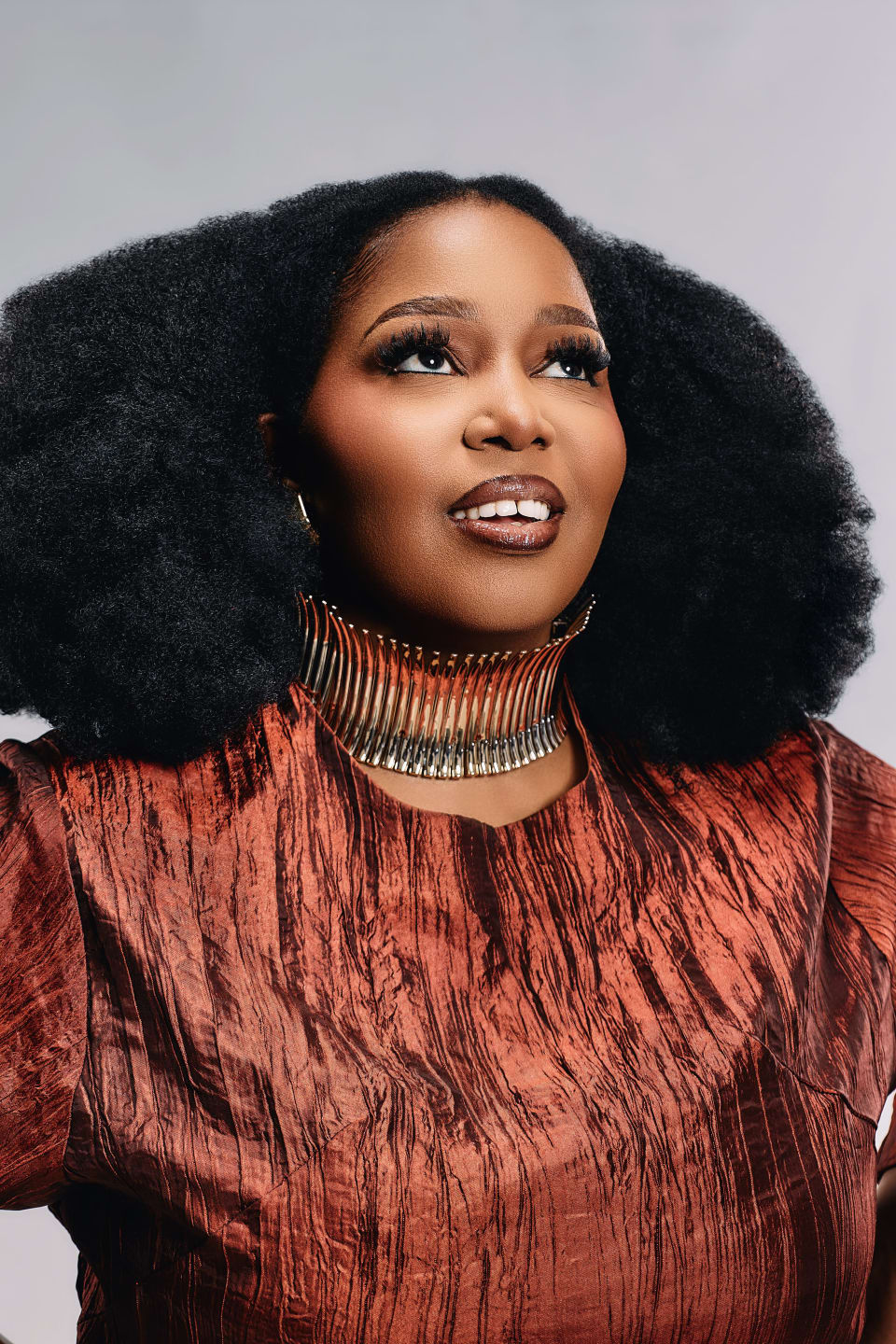
Some musical returns are designed to remind audiences of who an artist used to be. Maleh’s return is more interesting because it is being shaped by who she has become.
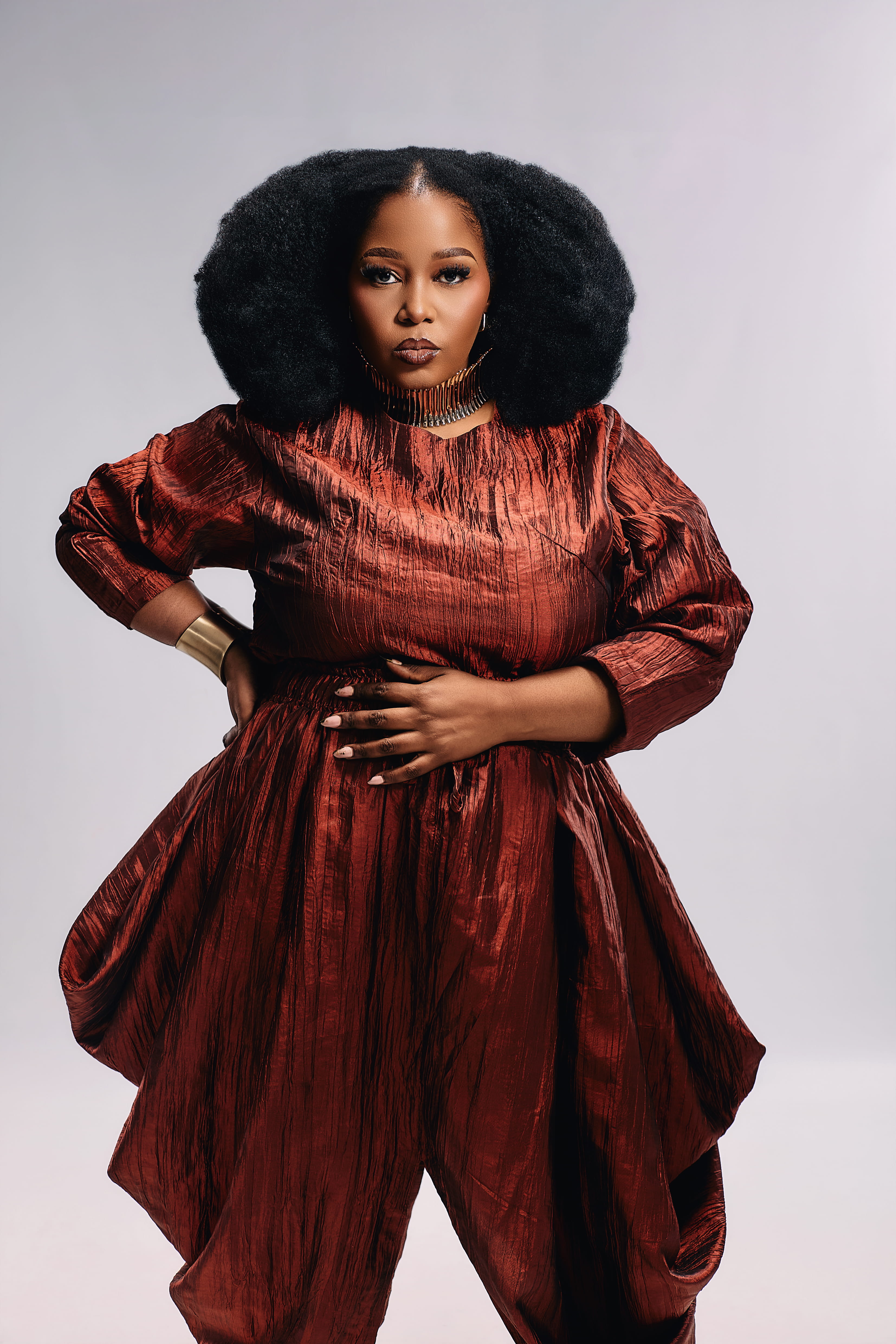
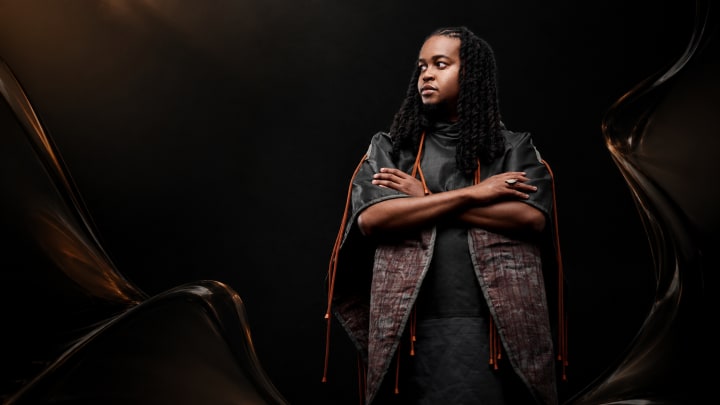
On Saturday, 1 August, the award-winning singer-songwriter will step onto the Jazz at Jozi Gold stage in Braamfontein, becoming the programme’s first female performer during Women’s Month.
The performance arrives during a significant creative period for Maleh. After years of building one of Southern Africa’s most recognisable Afro-Soul catalogues, she has returned with Dithapelo, an album centred on prayer, healing, faith and personal restoration.
It is not the language usually associated with an industry comeback.
Comebacks are frequently presented through familiar achievements: old hits, past awards, longevity and the promise that an artist can still reproduce the qualities audiences originally admired. Maleh has all the credentials required for that kind of return, but Dithapelo appears to be reaching for something deeper.
Released on 27 February 2026, the 16-track project moves her established Afro-Soul language towards an Afro-gospel expression informed by spiritual reflection. According to press material accompanying the Jozi Gold announcement, the album has surpassed 600,000 streams.
Its title translates to “Prayers”, immediately locating the work within a space of surrender, communication and spiritual searching.
That distinction matters.
Spirituality is not being attached to Dithapelo as a decorative concept or convenient marketing identity. The project emerges from a period in which Maleh appears to have reconsidered not only what she wanted to sing, but what she wanted her voice to serve.
Her current music treats performance as an exchange. Songs become places in which personal experiences of uncertainty, endurance and renewal can be carried into a room and recognised by other people.
For an artist already respected for her emotional live performances, this gives the Jozi Gold appearance a different weight. Maleh is not simply bringing another release campaign to Johannesburg. She is bringing an album whose meaning may become clearer when it is performed among people.
A voice shaped between worlds
Born Malehloka Hlalele in Lesotho, Maleh first gained wider recognition as a member of Kaya before establishing herself as a solo singer-songwriter. Her work has consistently moved between Basotho musical heritage, jazz, Afro-Soul, gospel and contemporary African songwriting rather than remaining inside a single, easily marketable genre.
That fluidity helped distinguish her early solo career.
Her album Step Child won Best African Adult Album at the 2013 South African Music Awards, confirming that her appeal was not dependent on one successful collaboration or moment of public attention. Her time with Kaya had already earned the group a Metro FM Music Award for Best Newcomer, but her solo catalogue allowed her to construct a musical identity with greater depth and independence.
Across that career, Maleh’s voice has remained the recognisable centre.
It can carry technical power without losing intimacy. It can move through jazz phrasing, Afro-Soul warmth and gospel conviction without making those traditions feel artificially separated. More importantly, it carries a sense that the person singing believes in the emotional world of the song.
That quality is difficult to manufacture.
It is also why her current spiritual direction does not feel like an abrupt reinvention. Dithapelo may introduce a more explicit language of faith, but the emotional seriousness behind it has been present throughout her work.
The difference is that it has now moved to the foreground.
More than a Women’s Month booking
Maleh’s performance falls on the first day of Women’s Month, giving Jazz at Jozi Gold a prominent female voice with which to begin its August programme.
However, the significance of the booking should not be reduced to representation alone.
Women’s Month programming can sometimes turn accomplished women into ceremonial figures—invited to embody resilience, strength or inspiration without allowing the complexity of their actual work to remain visible.
Maleh does not need to be made symbolic to justify her place on the stage.
Her career already contains the story: an artist emerging from a successful group, establishing an award-winning solo identity, moving through different periods of visibility and returning with work that reflects a changed relationship with music, faith and self.
That is a more meaningful expression of endurance than the generic language usually attached to women during August.
Her appearance also continues the development of Jazz at Jozi Gold as an intimate performance series at 81 De Korte Street, an address carrying significant Johannesburg jazz memory from its years as the home of The Orbit Live Music and Bistro. Jozi Gold is not recreating The Orbit, but its Saturday programme is placing musicians and attentive audiences inside that room again.
The setting should suit Maleh.
Dithapelo is concerned with emotional and spiritual connection rather than spectacle. An intimate room allows the subtleties of that work—the pauses, vocal shifts, stories and moments of collective recognition—to remain close to the audience.
Jozi Gold’s official event listing confirms that Maleh will perform there on Saturday evening, with doors opening at 18:30.
For audiences familiar with the earlier chapters of her career, the evening offers an opportunity to encounter what has changed.
For those discovering her through Dithapelo, it offers something else: an introduction to a singer who is no longer interested only in demonstrating the strength of her voice, but in deciding what that strength can hold.
Maleh is returning to the stage with history behind her, but she is not asking nostalgia to carry the performance.
She is bringing prayers.
And on the first evening of Women’s Month, she will place them inside the room.
Event information
Jazz at Jozi Gold
Featuring: Maleh
Date: Saturday, 1 August 2026
Doors open: 18:30
Venue: Jozi Gold Brewing Company
Address: 81 De Korte Street, Braamfontein
Tickets: Quicket
Reporting basis: Based on the public Maleh at Jozi Gold event listing, Apple Music information for Dithapelo, The Citizen and Music In Africa coverage of the album’s spiritual framing and launch, HDS Entertainment artist biography material, South African Music Awards context, press material supplied around Maleh’s Jozi Gold appearance and Viranova editorial analysis of return, faith and live performance.
Story index Key points, people & topics
Key points & topics
- As she opens Jazz at Jozi Gold’s Women’s Month programme, Maleh brings Dithapelo into an intimate Braamfontein room, presenting a new creative chapter shaped by faith, restoration and emotional connection.
- Maleh performs at Jozi Gold Brewing Company on 1 August 2026, bringing Dithapelo into an intimate Braamfontein room as a return shaped by prayer, restoration and emotional connection.
- Some musical returns are designed to remind audiences of who an artist used to be. Maleh’s return is more interesting because it is being shaped by who she has become.
Frequently asked Answers from the desk
Who is Maleh?
Maleh, born Malehloka Hlalele in Lesotho, is an award-winning singer-songwriter known for Afro-Soul, Afro-pop, gospel and Basotho-influenced musical expression.
When is Maleh performing at Jozi Gold?
Maleh is scheduled to perform at Jozi Gold Brewing Company on Saturday, 1 August 2026.
Where is Jozi Gold Brewing Company?
Jozi Gold Brewing Company is located at 81 De Korte Street, Braamfontein, Johannesburg.
What time does Maleh’s Jozi Gold show start?
Doors open at 18:30 and the show is listed to begin at 20:00.
What is Dithapelo?
Dithapelo is Maleh’s 2026 album, a 16-track project centred on prayer, faith, healing and spiritual renewal.
What does Dithapelo mean?
Dithapelo translates to “Prayers.
” When was Dithapelo released?
Apple Music South Africa lists Dithapelo as released on 27 February 2026.
What award did Maleh win for Step Child?
Maleh’s Step Child won Best African Adult Album at the 2013 South African Music Awards.
Was Maleh part of a group before going solo?
Yes. Maleh first gained wider recognition as a member of the Afro-pop group Kaya before establishing herself as a solo artist.
Why does Maleh’s Jozi Gold performance matter?
It matters because it places her spiritually grounded return inside an intimate Braamfontein live-music room at the start of Women’s Month.
Mentioned in this story? Right of reply & corrections
Work with Viranova Advertising, coverage & campaigns
Turn attention into a campaign.
Use Viranova for advertising, press releases, event coverage, interviews, music promotion, brand features, and media partnerships.


Respond to this story. Share a comment, a correction, or a right-of-reply — comments open once the room starts talking.