




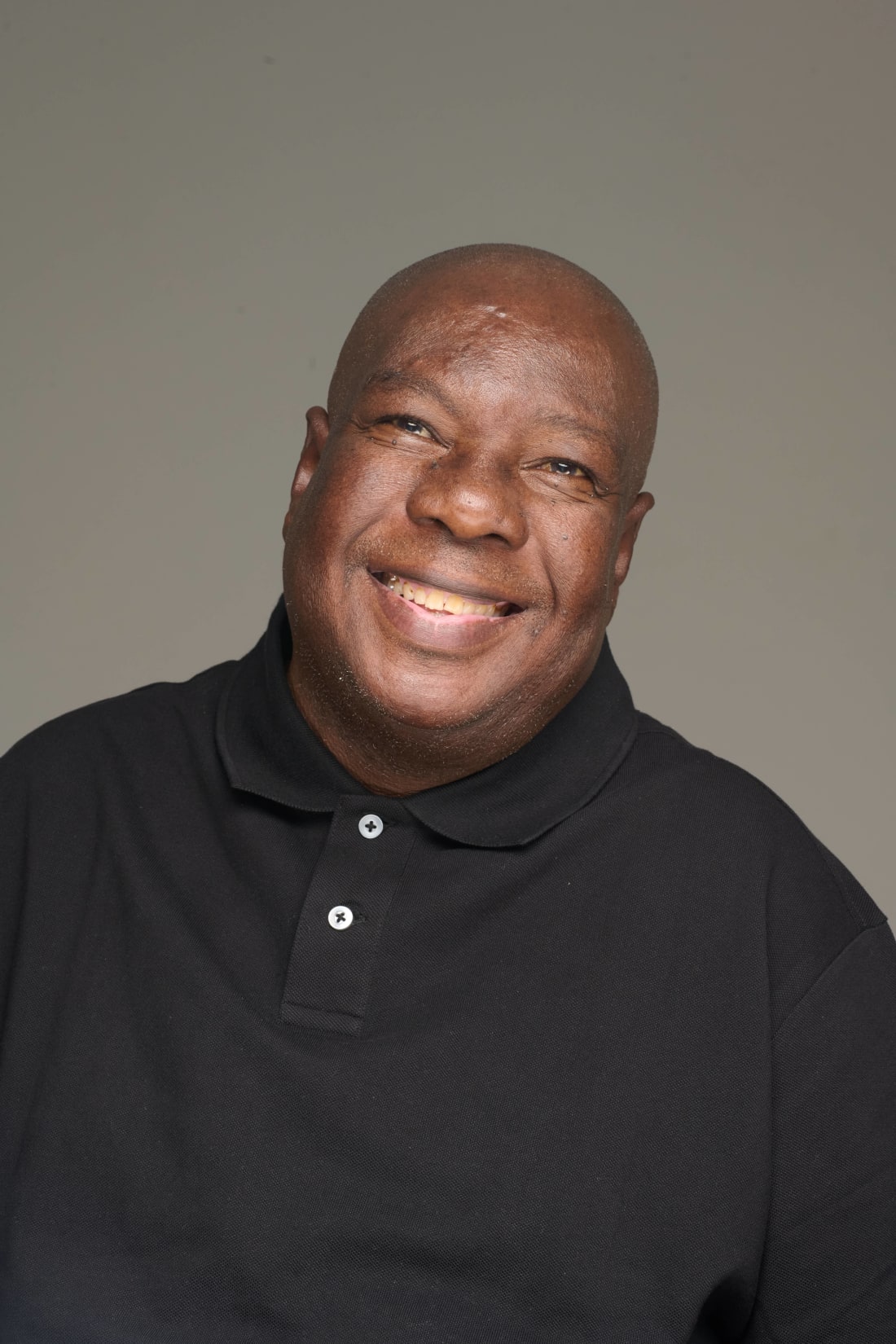
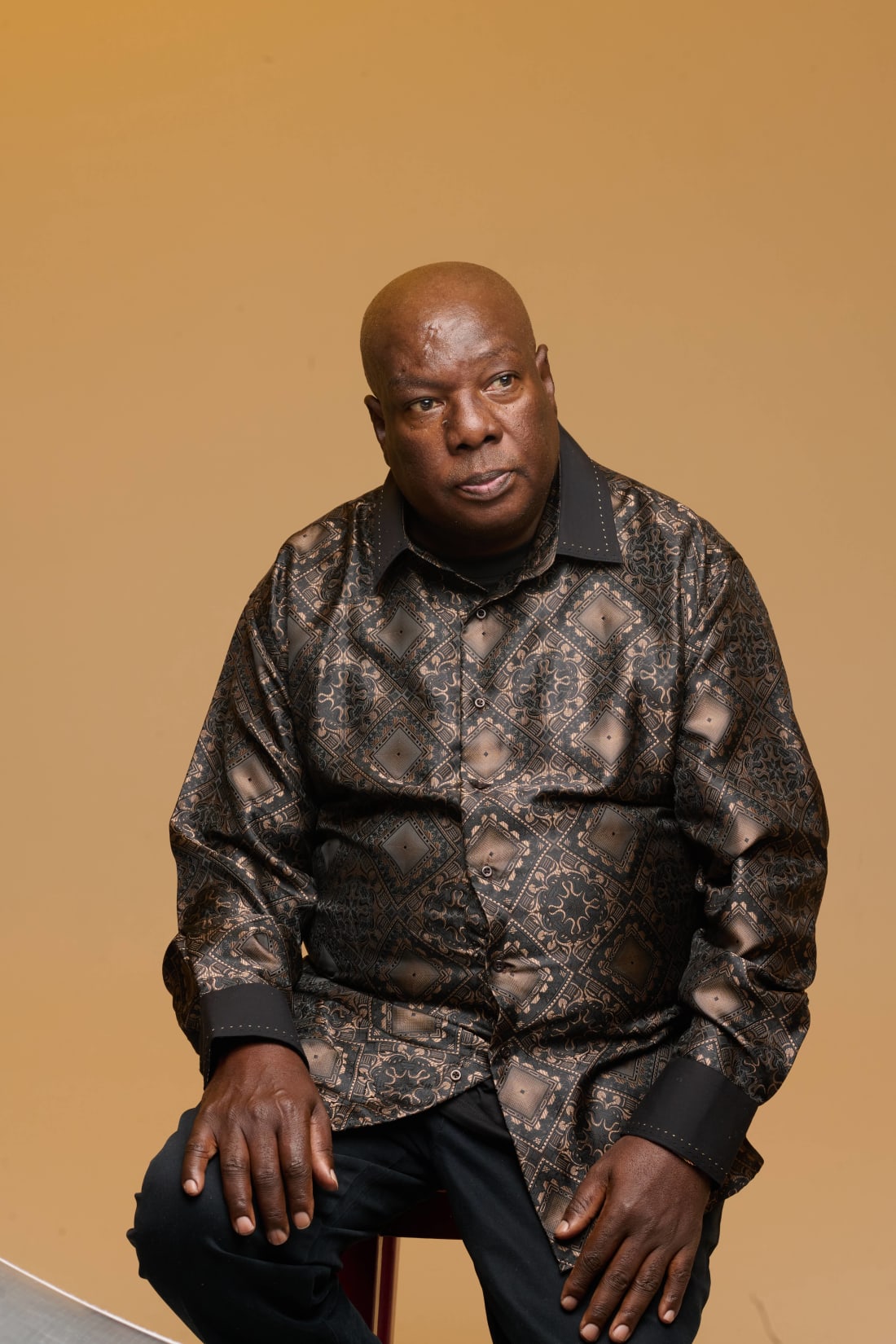
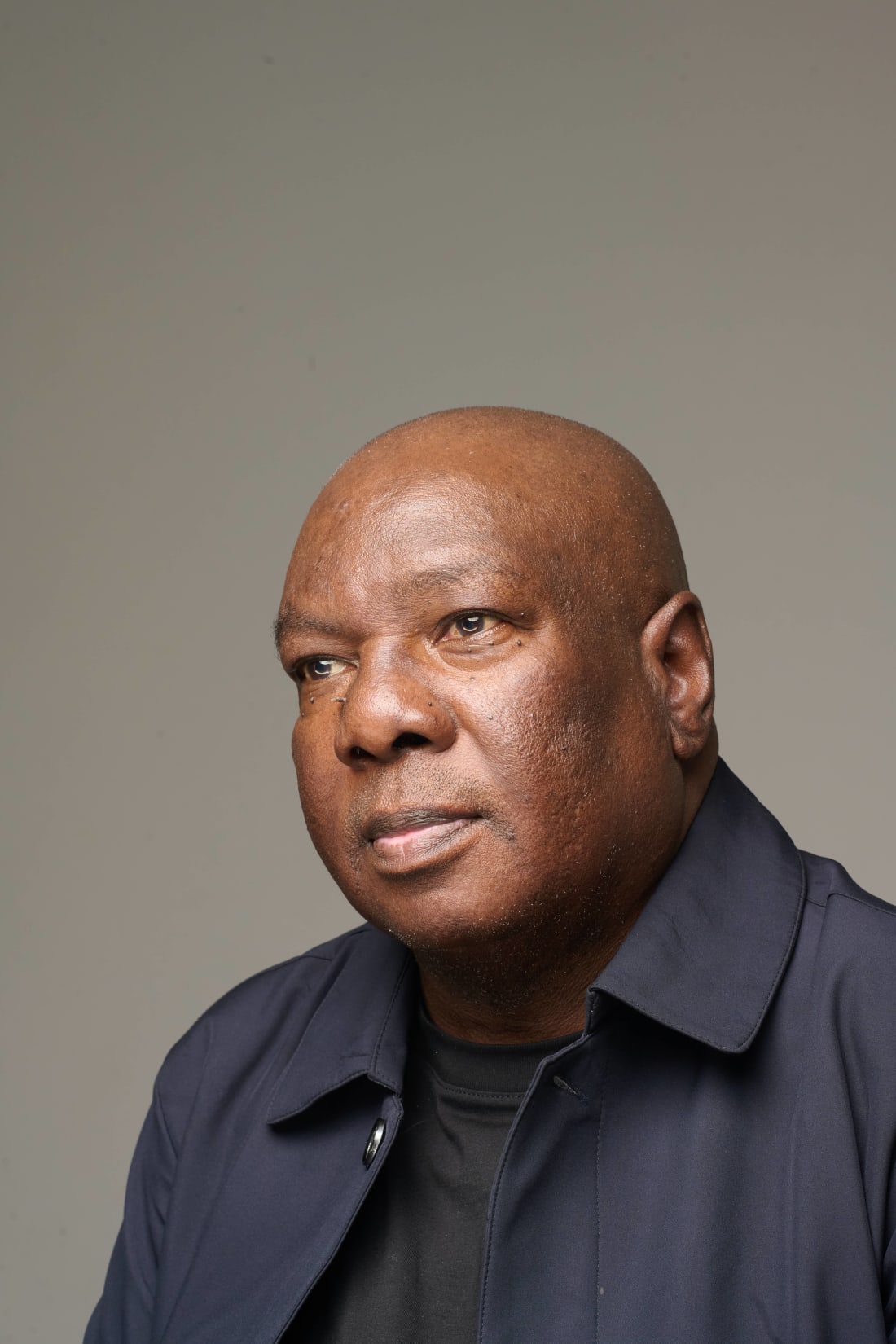
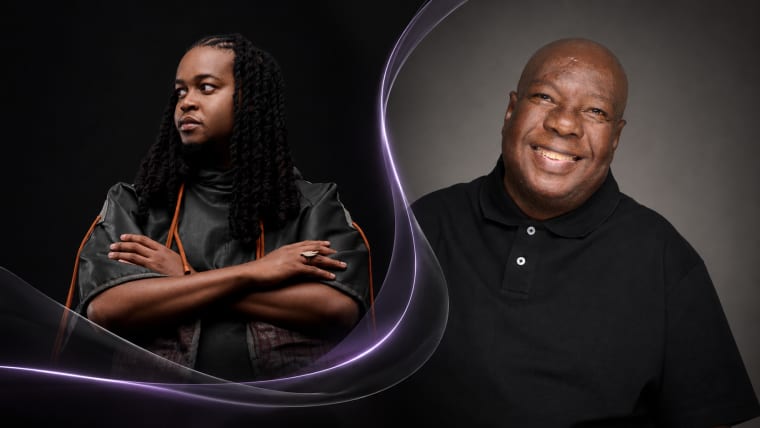
Few voices occupy the South African cultural imagination quite like that of Vusi Mahlasela.
This story matters because Vusi Mahlasela’s music has never treated performance as entertainment alone. His work carries the memory of South Africa’s painful past while continuing to ask how music can help communities heal, speak truth and imagine peace.
For more than three decades, the internationally celebrated musician has used song to confront painful histories, encourage reconciliation and remind audiences of their shared humanity.
Yet despite a career filled with international stages, national honours and landmark collaborations, Mahlasela’s purpose remains remarkably clear.
Music must serve something greater than the performer.
Ahead of his appearance at Jazz at Jozi Gold on Saturday, 25 July, Mahlasela spoke to Viranova about the responsibility of being an artist in the present moment, the intimacy of live performance and his forthcoming album, Questions and Answers.
A Mission That Never Ends
Mahlasela’s music has long been associated with hope, healing and social consciousness.
His inspiration, he explains, comes from recognising that he is not separate from the challenges confronting the current generation.
“What continues to inspire me to sing messages of hope, healing, and humanity is the simple fact that I am part of this generation,” he says.
“We are living in a time where people are actively seeking the truth. My inspiration comes from a desire to serve that truth and to help turn our country’s sad past into a future filled with genuine hope.”
For Mahlasela, music is not only a form of expression.
It is a means of repairing relationships, strengthening communities and creating space for people to imagine a more peaceful future.
“My ultimate desire has always been to heal through music and promote healthy, peaceful relationships within communities everywhere. That mission never ends.”
That last sentence carries the weight of his career.
Not a completed mission.
Not a legacy sealed behind awards.
A continuing responsibility.
For Mahlasela, the song remains useful only if it keeps reaching people where they are wounded, divided or searching.
The Responsibility of Being ‘The Voice’
Mahlasela is widely known as “The Voice,” a title that reflects both the distinctiveness of his sound and the moral weight carried by his work.
He does not regard the title lightly.
“To be called ‘The Voice’ comes with a very heavy and serious responsibility,” he says.
“It is about giving hope to people and helping to develop real, compassionate relationships within society.”
At a time marked by political tension, inequality and deep social division, Mahlasela believes artists possess a particular ability to build connections across boundaries.
“As musicians, we have a unique power that politicians simply do not have — we know how to collaborate across boundaries,” he says.
“If politicians could learn to collaborate with their ideas the way artists do through song, the world would be a far better place.”
That is one of Mahlasela’s clearest arguments.
Music is not innocent because it avoids politics.
Music becomes powerful because it can model what politics often fails to practise.
Listening.
Collaboration.
Harmony without sameness.
Difference held inside one arrangement.
His role, he explains, is to remain grounded in dignity while continuing to use music as a bridge for peace and reconciliation.
Returning to the Questions
Audiences attending Mahlasela’s performance at Jozi Gold Brewing Company can expect more than a retrospective journey through his extensive catalogue.
The set will also introduce material from his forthcoming album, Questions and Answers, a project engaging directly with truth, justice, peace and the unresolved issues facing contemporary society.
“Audiences can expect a deeply personal journey through songs that speak to our shared humanity,” Mahlasela says.
“My hope is that the music opens up a meaningful debate — if people don’t understand the answers, it allows them to go back to the questions.”
The idea of returning to the question lies at the heart of the project.
Rather than presenting music as a collection of easy solutions, Mahlasela wants the album to create room for reflection, discussion and honest engagement.
“There are so many questions in our society that desperately need answers right now, and this set is designed to hold space for that.”
That phrase — hold space — matters.
It suggests that Mahlasela is not trying to force the listener into agreement.
He is asking them to remain inside the discomfort long enough to think.
The album has already been introduced through several singles, including its title track, “Questions and Answers,” “Setšhu Sa Ditamati” — translated as “Tomato Stew” — and “Let There Be Peace,” released in May.
Mahlasela says the project speaks to issues including truth, justice, food sovereignty and peace.
“Music allows us to build bridges and speak truth to power in ways words alone cannot.”
That is the centre of the project.
Not certainty.
Not slogans.
Questions.
Answers.
And the difficult distance between the two.
The Power of an Intimate Room
Jozi Gold’s Saturday night music programme offers artists and audiences a setting far removed from the distance of a large arena.
For Mahlasela, the closeness of the room creates an opportunity for a different kind of performance — one shaped by direct emotional exchange.
“What excites me most about performing in an intimate setup like Jozi Gold is that rare, unfiltered intimacy,” he says.
“In a smaller room, I am able to read the transformation on the audience’s faces in real time as they listen to the music and digest the message.”
He describes noticing subtle changes in expression, shifts in emotion and moments of quiet reflection as audiences respond to the music.
“That direct emotional connection with the room is something truly special that you cannot replicate anywhere else.”
That is why the Jozi Gold performance carries particular meaning.
A large stage can create spectacle.
A smaller room can create witness.
At Jozi Gold, every lyric has less distance to travel.
Every silence becomes more visible.
Every emotional shift in the audience can reach the performer almost immediately.
For an artist whose music has always depended on message as much as melody, that kind of room matters.
A Journey Beyond the Accolades
Born in Lady Selborne, Pretoria, and raised in Mamelodi, Mahlasela built his music from a place deeply connected to South Africa’s cultural and political history.
He became known as a singer-songwriter, guitarist and poet-activist whose songs carried hope through the country’s apartheid-scarred past and into its democratic imagination.
His journey has included a substantial catalogue, international performances and recognition through honours such as the Order of Ikhamanga in Silver, the Presidential Ubuntu/Culture Award, lifetime achievement recognition and honorary doctorates.
However, Mahlasela does not identify the awards as the most transformative part of his career.
“Beyond the accolades, the most transformative moments have always been seeing the music heal people,” he says.
He also credits the listeners who have accompanied him throughout his career.
“To everyone who has supported my music craft and to my loyal global fans over these 30-plus years: thank you very much for your support. You have made this journey meaningful.”
That gratitude does not sound ceremonial.
It sounds like an artist who understands that music does not live fully until it is received.
A song is written by one person.
But its meaning changes when people carry it into grief, memory, protest, family, prayer or hope.
That is where Mahlasela’s work has lived for decades.
Not only on stages.
Inside people.
Courage, Truth and the Next Generation
For young South African musicians beginning their own journeys, Mahlasela’s advice is rooted in courage, discipline and a commitment to social purpose.
“Serve the truth, respect the craft, and remember that music is a tool for building up society, not just entertaining it,” he says.
“Keep using your voices to give hope and bring people together.”
It is a message that captures the foundation of Mahlasela’s own career.
His work has never treated music as an escape from society’s difficult questions.
Instead, it has invited audiences to face those questions together.
With honesty.
Compassion.
And the possibility of healing.
That is why Vusi Mahlasela’s voice still matters.
Not only because it is recognisable.
Not only because history has honoured it.
But because it continues to ask what music is for.
For him, the answer remains clear.
Music must continue to serve the truth.
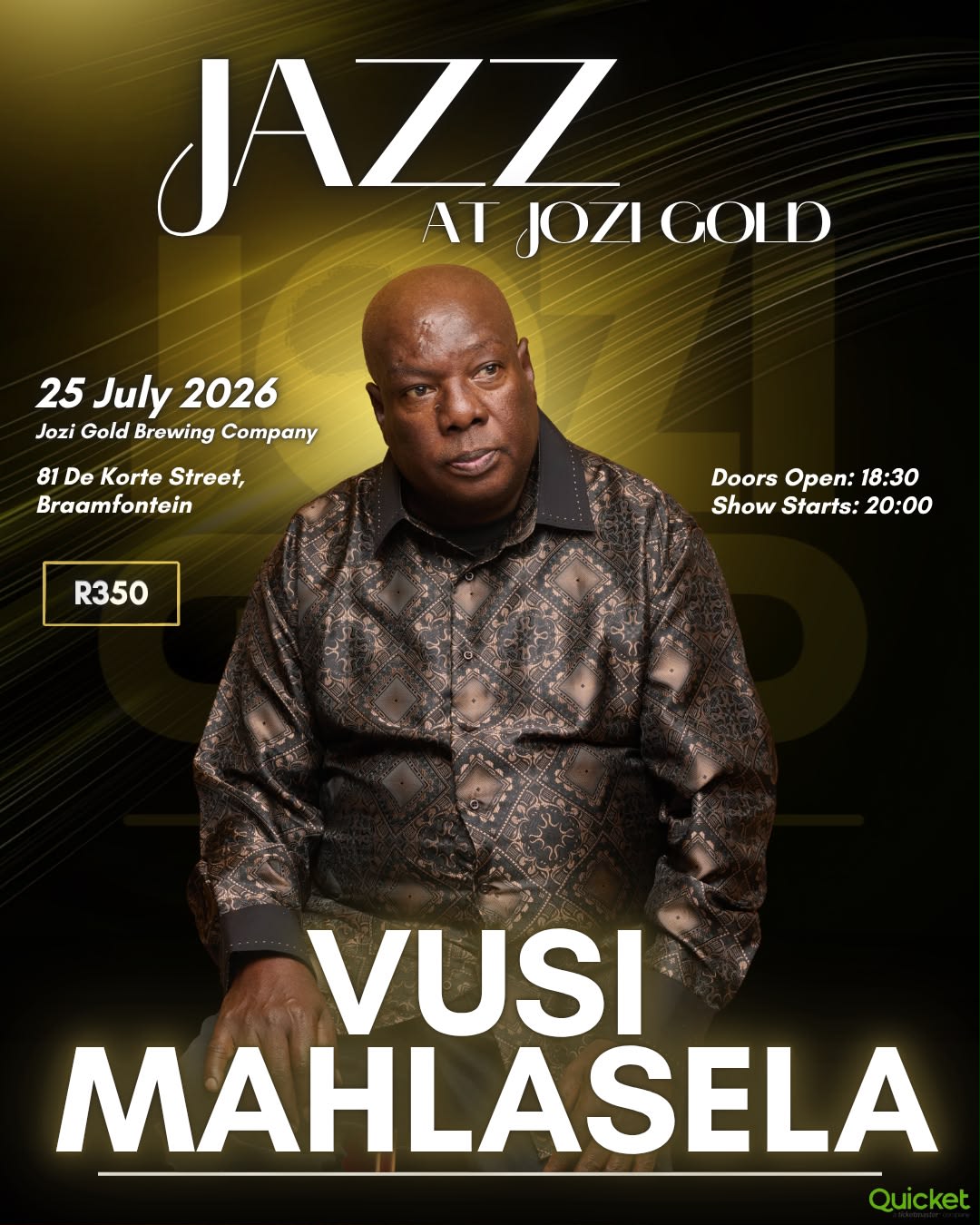
Performance Details
Artist: Vusi Mahlasela
Date: Saturday, 25 July 2026
Venue: Jozi Gold Brewing Company, 81 De Korte Street, Braamfontein, Johannesburg
Programme: Jazz at Jozi Gold
Tickets: From R350
Bookings: Available via Quicket
Direct booking: https://www.quicket.co.za/events/384987-vusi-mahlasela-live-at-jozi-gold-brewing-company/#/
Reporting basis: Based on Viranova’s interview with Vusi Mahlasela ahead of his Jazz at Jozi Gold performance, Quicket event information, Vusi Mahlasela’s official biography and tour page, Presidency National Orders records, public music-platform listings for recent singles and Viranova editorial context on music, truth and cultural memory.
Story index Key points, people & topics
Key points & topics
- Ahead of his intimate performance at Jazz at Jozi Gold, Vusi Mahlasela reflects on healing through music, the responsibility of being “The Voice” and the questions shaping his forthcoming album.
- Few voices occupy the South African cultural imagination quite like that of Vusi Mahlasela.
Frequently asked Answers from the desk
Who is Vusi Mahlasela?
Vusi Mahlasela is a South African singer-songwriter, guitarist and poet-activist widely known as “The Voice” in South Africa.
When is Vusi Mahlasela performing at Jozi Gold?
Vusi Mahlasela is scheduled to perform at Jozi Gold Brewing Company on Saturday, 25 July 2026.
Where is Jozi Gold Brewing Company?
Jozi Gold Brewing Company is located at 81 De Korte Street, Braamfontein, Johannesburg.
What is Vusi Mahlasela’s forthcoming album called?
His forthcoming album is called Questions and Answers.
Which recent songs introduce Questions and Answers?
Recent singles connected to the project include “Questions and Answers,” “Setšhu Sa Ditamati” and “Let There Be Peace.
” Why is Vusi Mahlasela called “The Voice”?
The title reflects both the distinctiveness of his singing voice and the moral, social and cultural responsibility associated with his work.
What did Vusi Mahlasela say about music and truth?
He told Viranova that his inspiration comes from a desire to serve truth and help turn South Africa’s sad past into a future filled with genuine hope.
What can audiences expect at Jazz at Jozi Gold?
Audiences can expect timeless favourites, intimate storytelling and music from Questions and Answers in a close live setting.
Where can tickets be booked?
Tickets are available via Quicket.
How we reported this Sources, verification & accountability
- Reporting type
- Interview
- Verification
- Direct interview
- Reporter / responsible desk
- Viranova Interviews Desk
- Primary evidence
- Based on Viranova’s interview with Vusi Mahlasela ahead of his Jazz at Jozi Gold performance, Quicket event information, Vusi Mahlasela’s official biography and tour page, Presidency National Orders records, public music-platform listings for recent singles and Viranova editorial context on music, truth and cultural memory.
- Additional verification
- This story is based on a Viranova interview with Vusi Mahlasela, Quicket event information, Vusi Mahlasela’s official website, South African Presidency National Orders information, Apple Music public listings and music reporting around the forthcoming Questions and Answers project.
- Image
- Credit: Gallo Record Company
- Primary source
- quicket.co.za
Edited under our Editorial Standards and How We Report process. Spotted an error? Open the correction form below, or email [email protected].
Request a correction Accuracy desk
Submit a Correction
Corrections are reviewed by editors and logged with the story record.
Human-written · Editor-reviewed · Corrections open
Filed by Viranova Interviews Desk for the Music desk · Braamfontein, Johannesburg, South Africa. Published 23 Jul 2026.
Leave with the sharp version of what moved.
Two considered South African culture reads a week. No feed to chase, no noise between them.
Join the conversation React or leave a thoughtful comment
How did this story land?