



On 5 July 2026, Married at First Sight Mzansi returned for its third season on Mzansi Magic, opening with a 90-minute premiere before settling into its weekly Sunday slot.
The format remains one of television’s most emotionally loaded experiments: complete strangers, matched by experts, meet for the first time at the altar.
That premise still sounds outrageous because it touches something deeper than reality-TV spectacle.
Marriage is supposed to be private, sacred, negotiated, familial and emotional. Married at First Sight Mzansi takes that sacred structure and places it inside a public experiment, where every hesitation, glance, confession, family reaction and uncomfortable silence becomes available for national interpretation.
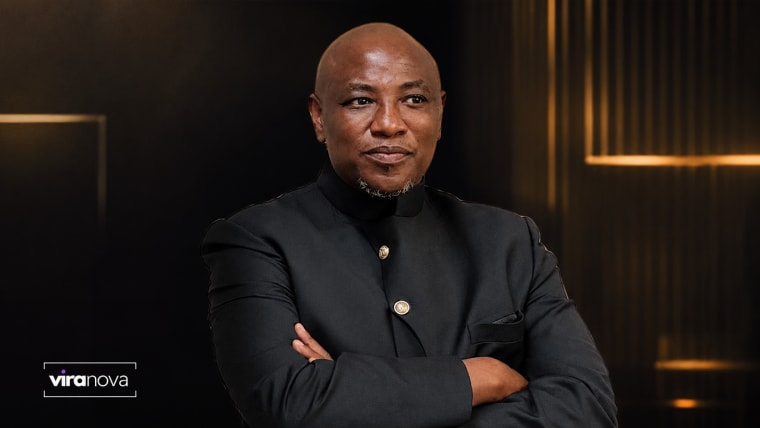
This season’s expert panel includes relationship expert Thabang Mashigo, relationship coach and officiating minister Pastor Xolani Hiltana, intimacy expert Dr Mpume Zenda and marriage and family counsellor Bakhe Dlamini, who returns after appearing in Season 1.
Together, they do more than match couples.
They become part of the show’s moral architecture.
The experts represent the promise that love can be studied, assessed and guided. They bring language around compatibility, communication, intimacy, history, readiness and relational needs. But the show remains powerful because the altar always exposes the limit of expertise.
A person can look compatible on paper.
A couple can make sense in theory.
But marriage is not lived on a form.
It is lived in tone, timing, attraction, patience, fear, family pressure, communication and the private histories people bring into the room without always knowing how loudly those histories speak.
That is why the show works.
It turns private relationship anxieties into public debate.
Viewers are not only watching strangers marry. They are arguing about readiness, gender roles, communication, emotional labour, family pressure, attraction, money, vulnerability and the difference between wanting marriage and being prepared for it.
Every couple becomes a case study.
Every expert decision becomes evidence.
Every awkward first look becomes a theory.
Every family reaction becomes a comment section.
This is why Married at First Sight Mzansi feels less like ordinary reality TV and more like a weekly national referendum.
South Africa does not watch quietly.
We diagnose.
We judge.
We defend.
We project.
We see one couple and think about our parents. Another couple and think about ourselves. Another and think about the person we almost married, the relationship we stayed in too long, the red flag we ignored, the fantasy we confused for love.
That is the altar of the algorithm.
The show gives us romance, but the internet turns it into public evidence. Social media clips flatten long conversations into viral moments. Fans choose sides. Strangers become symbols. The married couples enter the room as participants, but by Sunday night they become national prompts.
What does a good man look like?
What does a prepared woman look like?
What does emotional maturity cost?
How much chemistry is enough?
How much reliability can replace romance?
When is compromise healthy, and when is it self-abandonment?
That is why Thabang Mashigo’s framing of the matchmaking process matters.
In interviews around the new season, she drew a clear line between romantic wants and actual relational needs, arguing that an attractive partner may be a want, but a kind partner who consistently shows up is a need.
She also emphasised consistency over chemistry and reliability over romance.
That is the real drama.
The show is not only asking whether strangers can fall in love. It is asking whether South Africans are willing to give up fantasy for function.
That question lands hard because so much of modern relationship culture is built around the opposite.
The spark.
The type.
The aesthetic match.
The perfect wedding image.
The social-media couple language.
The idea that attraction should arrive instantly and stay effortless.
Married at First Sight Mzansi puts that fantasy under pressure. It forces participants and viewers to ask whether love can begin without the familiar rush of desire, whether commitment can create space for attraction, and whether emotional safety is more important than immediate excitement.
But the show also exposes how difficult that trade can be.
Nobody wants to feel like they are settling for function without feeling.
Nobody wants to be told that stability should be enough if the body says no.
Nobody wants to be reduced to a lesson about emotional maturity when they came looking for a partner.
That tension is why the format remains compelling.
It does not offer easy answers.
It places strangers inside the institution of marriage and lets the country argue about what the institution still means.
In South Africa, that argument carries extra weight.
Marriage is not only romantic. It can be cultural, spiritual, economic and familial. It involves lobola conversations, church expectations, family approval, gender performance, household labour and the pressure to be seen as settled, chosen or respectable.
So when a couple struggles on screen, viewers are not only reacting to personality.
They are reacting to the bigger system around love.
They are reacting to the cost of being partnered.
The fear of loneliness.
The public pressure to marry.
The private fear of marrying wrong.
The emotional labour expected from women.
The vulnerability often avoided by men.
The difference between wanting a wedding and being ready for a household.
That is why Married at First Sight Mzansi keeps pulling the country back.
It gives us romance as entertainment, but marriage as argument.
The altar becomes a mirror. The experts become translators. The couples become living questions. The audience becomes the jury.
And every Sunday night, the verdict changes.
We do not watch Married at First Sight Mzansi only for romance.
We watch it because every couple becomes a mirror, and every Sunday night becomes a national argument about what love is supposed to cost.
Reporting basis: Based on Mzansi Magic’s official Season 3 announcement, DStv and IOL interviews with relationship expert Thabang Mashigo, and Viranova editorial analysis of reality television, marriage culture and public relationship debate in South Africa.
Story index Key points, people & topics
Key points & topics
- Married at First Sight Mzansi Season 3 turns the altar into a national debate stage, asking whether South Africans are willing to trade romantic fantasy for consistency, reliability and emotional readiness.
- Married at First Sight Mzansi is not only a dating experiment. Season 3 turns every altar reveal, awkward silence and expert decision into a weekly national argument about love, readiness and what marriage is supposed to cost.
- Married at First Sight Mzansi Season 3 turns marriage, romance, gender roles and emotional readiness into a weekly South African reality-TV debate.
Credibility & transparency How this story is reported
- Content type
- News
- Verification
- Verified — multiple sources
- Reporting basis
- Based on Mzansi Magic’s official Season 3 announcement, DStv and IOL interviews with relationship expert Thabang Mashigo, and Viranova editorial analysis of reality television, marriage culture and public relationship debate in South Africa.
- Sources & context
- This story is based on public information from Mzansi Magic/DStv confirming the Season 3 premiere, weekly broadcast slot and expert panel, plus public interviews where Thabang Mashigo discussed wants versus needs, consistency over chemistry and reliability over romance.
Edited under our Editorial Standards and How We Report process. Spotted an error? Open the correction form below, or email corrections@viranova.co.za.
Request a correction Accuracy desk
Submit a Correction
Corrections are reviewed by editors and logged with the story record.
Human-written · Editor-reviewed · Corrections open
Filed by Viranova Culture Desk for the Entertainment desk · South Africa. Published 07 Jul 2026.
Respond to this story Reactions, comments, corrections
Respond to this story. Share a comment, a correction, or a right-of-reply — comments open once the room starts talking.