

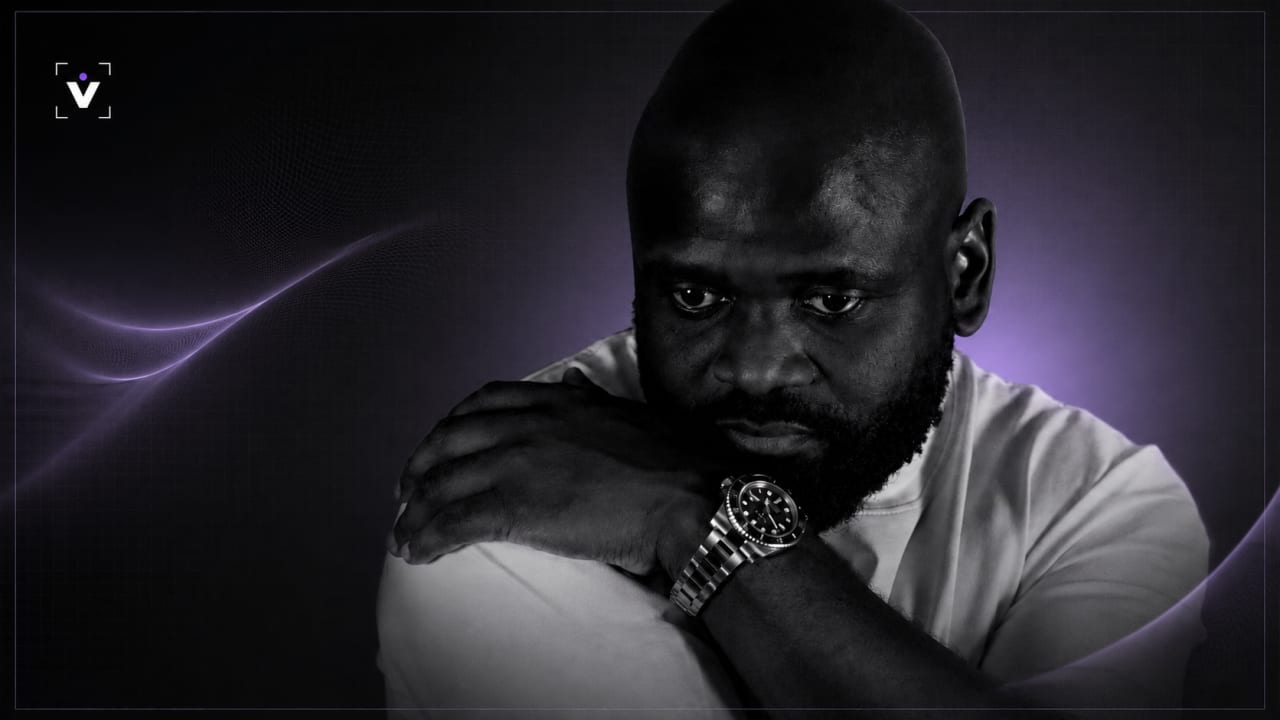
When Elandsfontein, Germiston-raised producer-turned-vocalist Credo V Daniels released his debut album, Still Where We Were, in April 2026, he did not arrive with the usual industry rollout. No pre-release singles. No heavy radio campaign. No billboard-sized announcement. The ten-track project moved through Afro neo-soul, melodic rap, classical textures, folk influence and multilingual lyricism, with songs such as “Njalo Njalo,” “Ngafa” and “Sedilaka” becoming part of the conversation around his sudden rise.
But the music did not let the industry rest. After live-performance clips began circulating, especially following televised appearances, fans and critics started questioning the gap between Daniels’ polished studio vocals and his uneven live delivery. His team later attributed the backlash to technical issues and stage inexperience, while Daniels has also acknowledged using AI tools as part of his creative process, while maintaining that he writes his own songs.
That distinction matters. The issue is not simply whether Credo V Daniels can sing every line exactly as heard on record. The bigger question is how South African music should understand authenticity in an era where pitch correction, vocal layering, digital enhancement and generative tools can all sit inside the same production chain. Amapiano, Afro-soul, maskandi, gospel and hip-hop have long relied on vocal texture as proof of feeling. If audiences can no longer tell where human performance ends and machine assistance begins, the industry faces a new cultural argument around copyright, credit, identity and the emotional truth of a voice.
Credo V Daniels has become the flashpoint because he represents both sides of the future: a technically trained musician with classical and production knowledge, and an artist whose public reception has been shaped by suspicion around technology. The debate around Still Where We Were is therefore bigger than one album. It is South African music being forced to ask what “real” sounds like now.
Story index Key points, people & topics
Key points & topics
- Credo V Daniels’ Still Where We Were has become more than a breakthrough album. It has turned into a flashpoint for how South African music thinks about AI, live performance, vocal truth and authenticity.
- Credo V Daniels’ Still Where We Were has forced South African music into a difficult conversation: what does “real” sound like when AI tools, vocal processing and human performance all sit inside the same creative chain?
- When Elandsfontein, Germiston-raised producer-turned-vocalist Credo V Daniels released his debut album, Still Where We Were, in April 2026, he did not arrive with the usual industry rollout. No pre-release singles. No heavy...
Credibility & transparency How this story is reported
- Content type
- News
- Verification
- Analysis / commentary
Edited under our Editorial Standards and How We Report process. Spotted an error? Request a correction or email corrections@viranova.co.za.
Human-written · Editor-reviewed · Corrections open
Filed by Viranova Music Desk for the Music desk · Elandsfontein, Germiston, South Africa. Published 05 Jul 2026.

Respond to this story Reactions, comments, corrections
Respond to this story. Share a comment, a correction, or a right-of-reply — comments open once the room starts talking.